APE SOLARReady for Anything
Log InBuild
Shop/Safety & Compliance

Safety & Compliance

The gear that keeps an install safe and to code. Module-level rapid shutdown so first responders can shut the roof down, breakers and DC disconnects to isolate the system, and surge protection against lightning and grid spikes.

Rapid shutdown

Shut the array down at the module.

Tigo TS4 rapid-shutdown units, RSS transmitters, and access points for NEC 690.12 module-level shutdown, so the array goes dead at each panel on command.

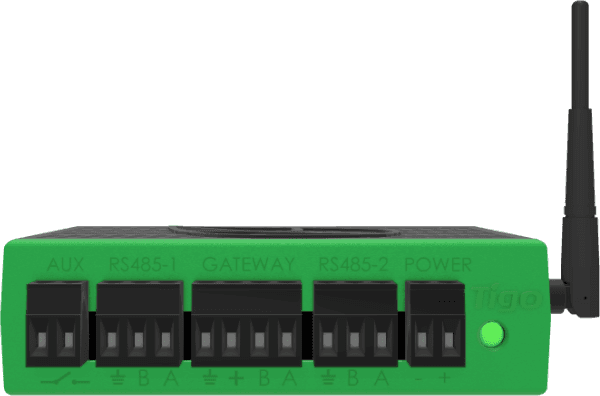
Tigo Cloud Connect Advanced
Tigo

Tigo Cloud Connect Advanced

The CCA is the gateway that ties a Tigo monitoring install to the internet. It sits in or near your service panel, talks to the TAP on the array side, and pushes telemetry up to Tigo's Energy Intelligence platform over your home or shop network. If you're running TS4-A-O optimizers or TS4-A-S monitoring devices, the CCA is what gets that per-module data off the roof and into the monitoring platform where you can see it. From the EI app you'll get module-level voltage, current, power, and temperature, with historical data and per-module alerts when something drifts. The CCA also handles inverter integration for compatible models, so it can pull AC-side data and present a full system picture without a second app. Ethernet primary, Wi-Fi backup. Powers the TAP over PoE. A rapid-shutdown-only install (TS4-A-F + RSS Transmitter) doesn't need a CCA. It's only on the menu when you've picked monitoring or optimization TS4 devices. UL listed.

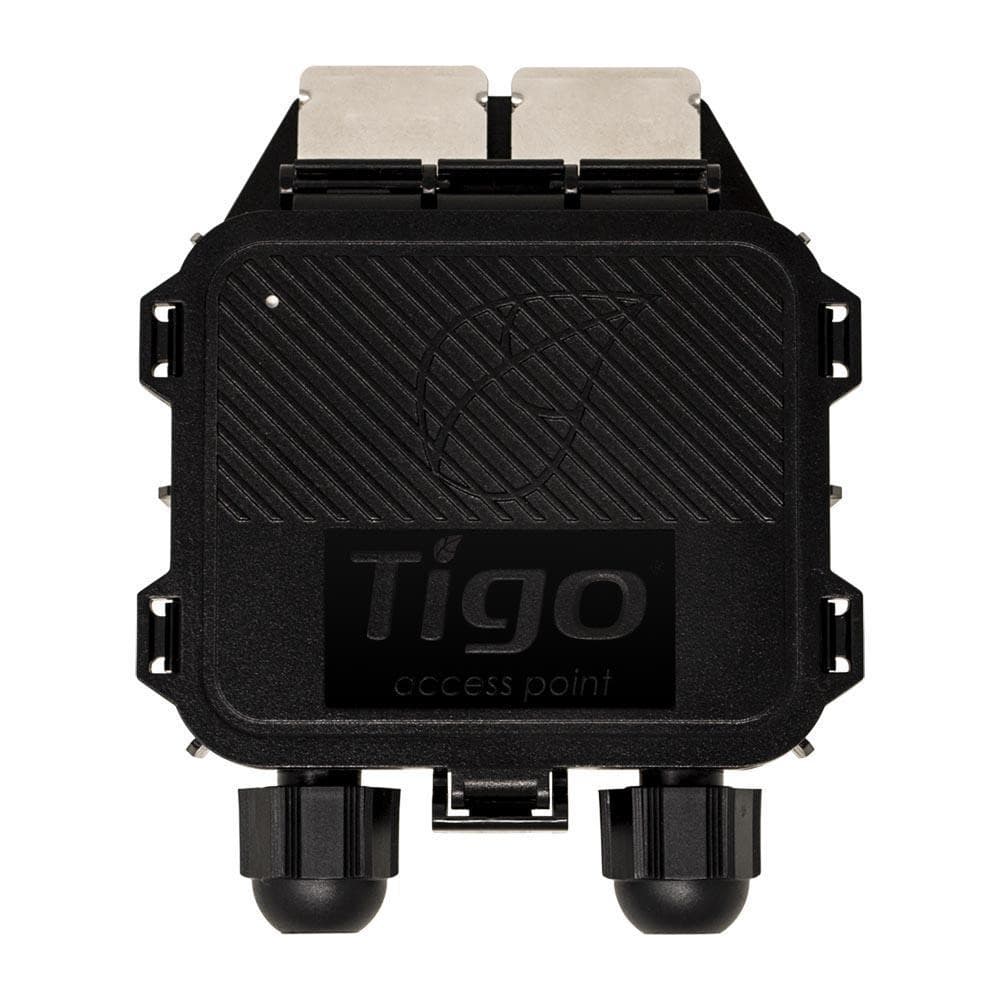
Tigo Access Point (TAP)
Tigo

Tigo Access Point (TAP)

The TAP is the bridge between the TS4 devices on the roof and the Cloud Connect Advanced sitting near the service panel. The TS4-A-O and TS4-A-S devices emit module-level telemetry over the PV wire, and the TAP collects that signal wirelessly and passes it along to the CCA. From there it goes up to Tigo's Energy Intelligence platform, where you can see each module's performance from a browser or the mobile app. One TAP supports a few hundred TS4 devices, enough for most residential and light commercial arrays. Place it within range of the array, with a clean line of sight where possible. For larger commercial arrays, multiple TAPs can mesh together to extend coverage. A pure rapid-shutdown install with only TS4-A-F devices doesn't need a TAP, only the RSS Transmitter side of the system. The TAP is the monitoring side. Powered over PoE from the CCA.

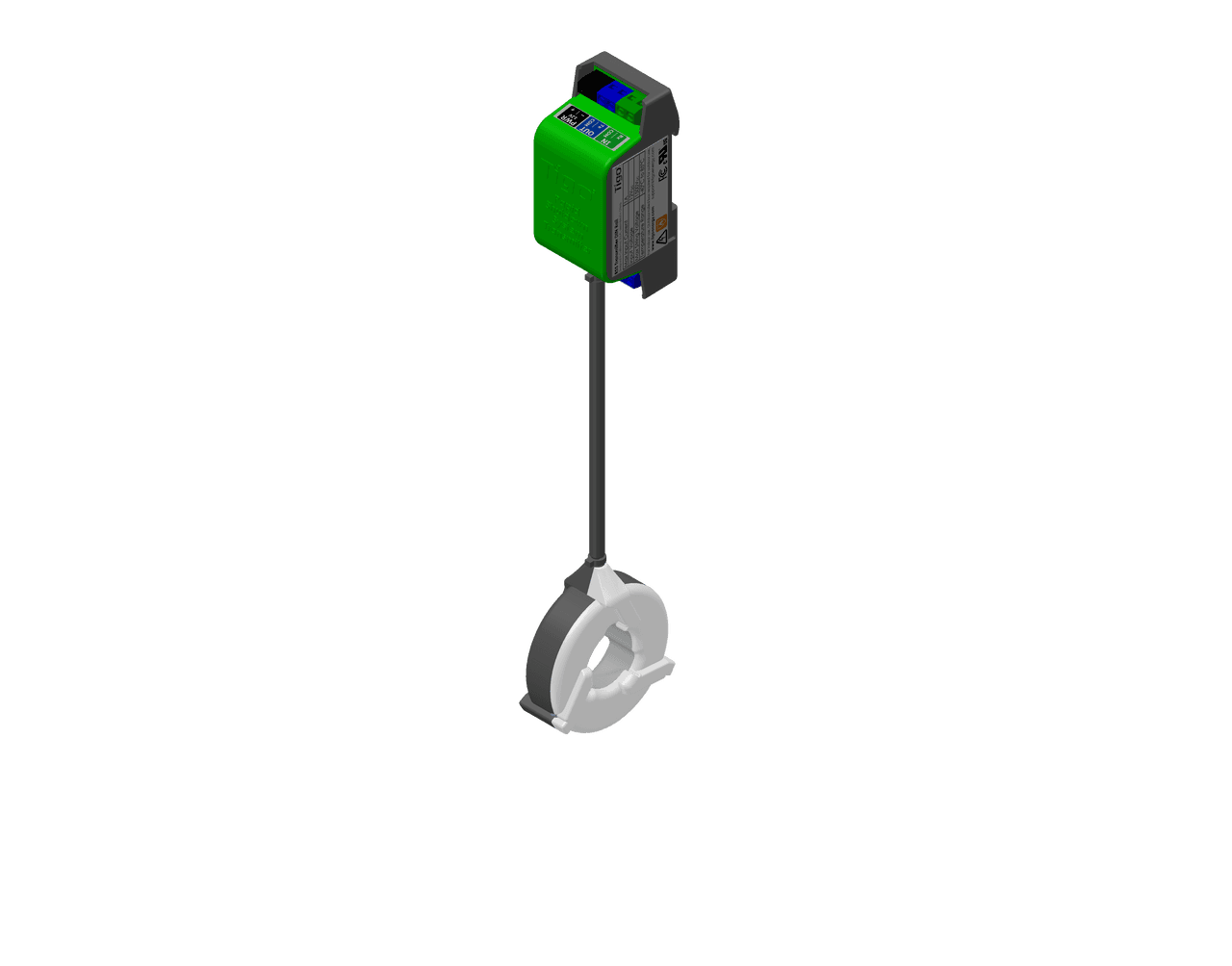
Tigo RSS Transmitter - Single Core
Tigo

Tigo RSS Transmitter - Single Core

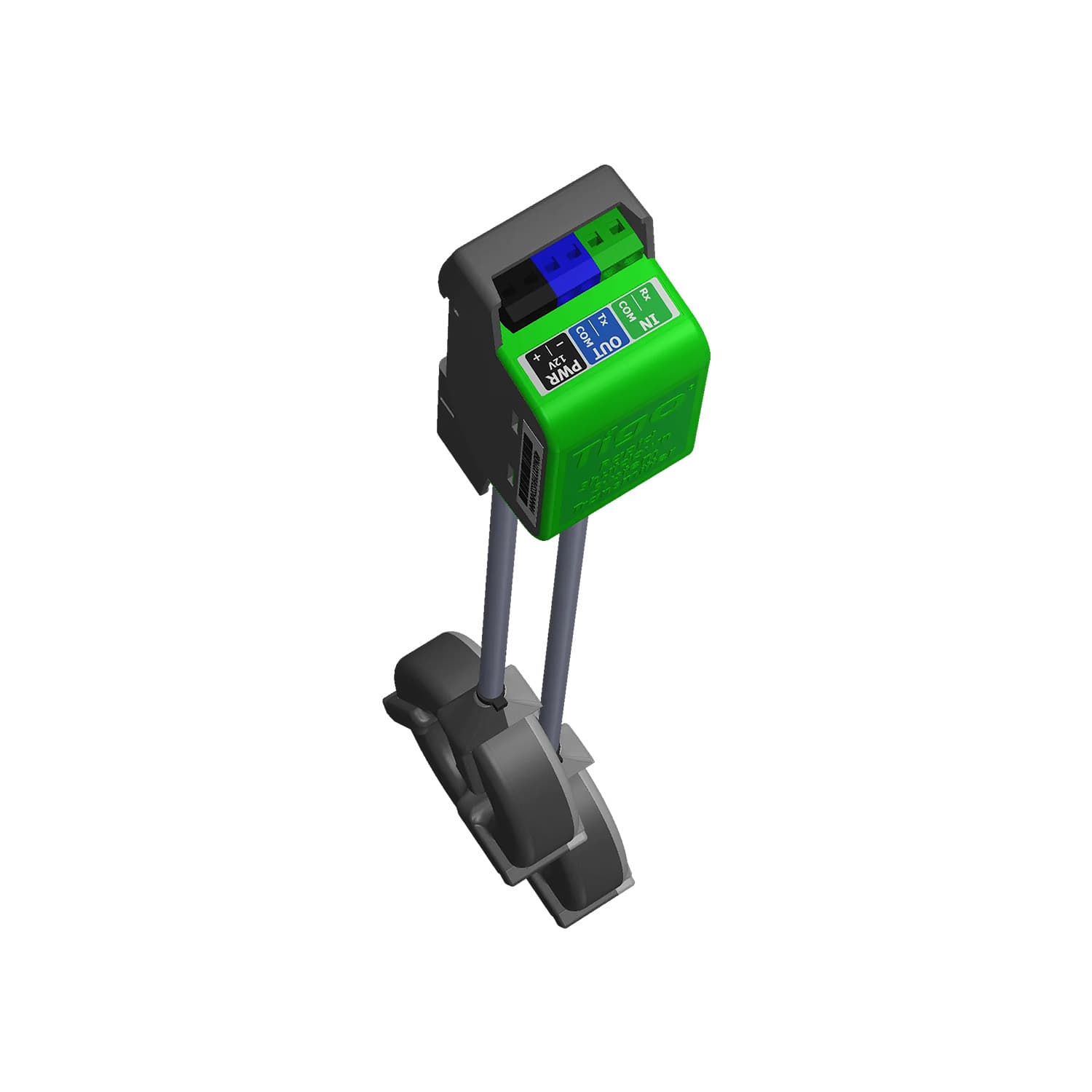
The RSS Transmitter is what makes a TS4-A-F actually shut down. It sits on the DC line out of the array, between the panels and the inverter, and sends a constant low-voltage signal over the PV wire. While the signal is there, every TS4 on the roof stays in its conducting state. When the AC side trips, the signal stops, and within 10 seconds every module's output drops to the safe level NEC 690.12 requires. This is the single-core version, which means it watches one DC string at a time. Pure Signal is Tigo's name for the keep-alive signaling protocol. It's PLC, runs at low voltage, and doesn't interfere with the array's normal operation. You need this transmitter on the install if your inverter doesn't already carry integrated Tigo RSS. EG4's FlexBOSS, GridBOSS, 12kPV, and 18kPV families have it built in, so they talk to the TS4 directly without a separate box. Most older string inverters need a transmitter wired in. Sold individually. Mounts in the rapid shutdown disconnect or the DC combiner. UL listed.

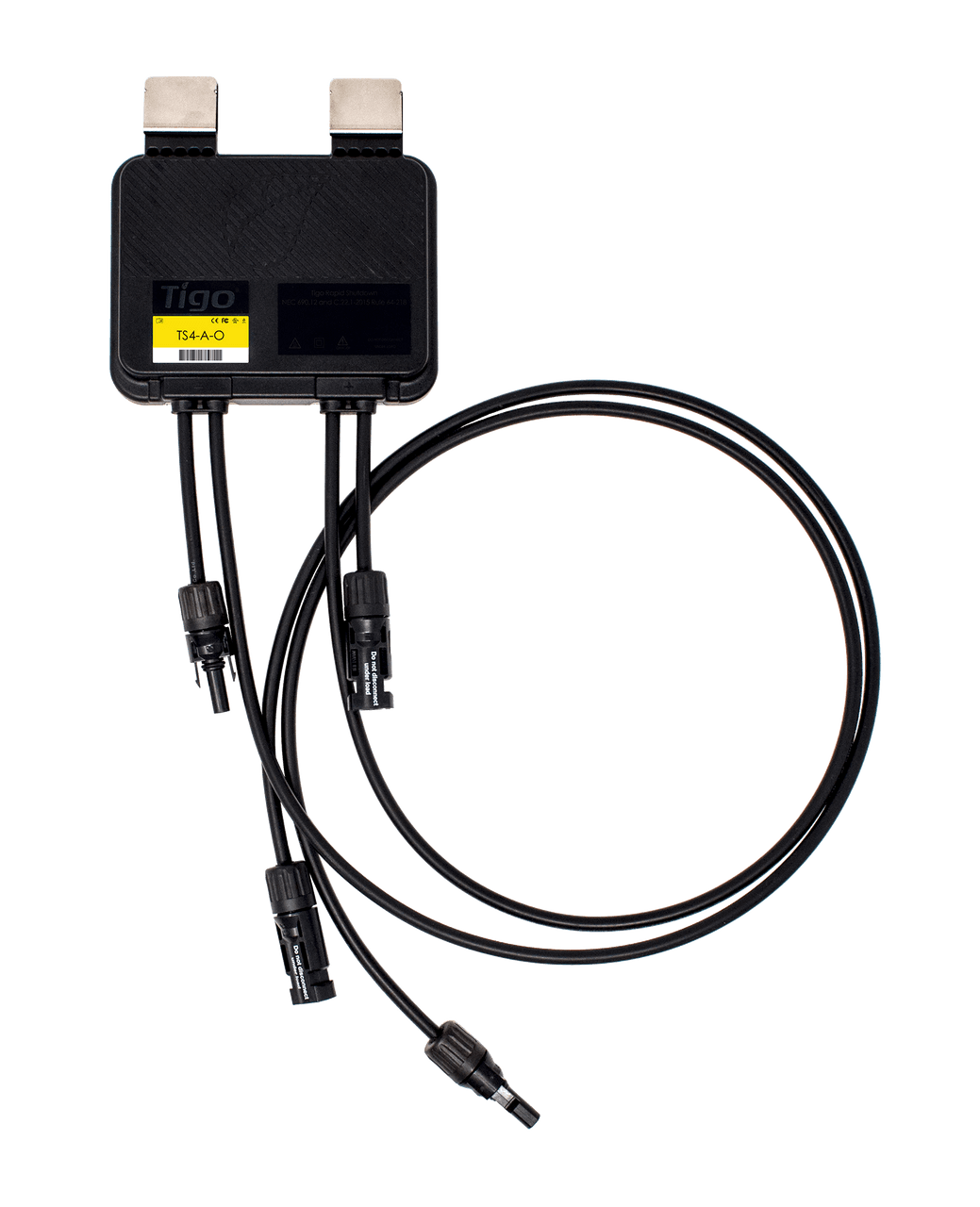
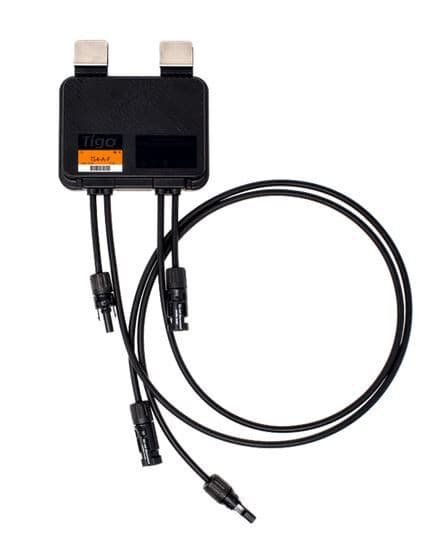
Tigo TS4-A-O | Optimizer & Rapic Shutdown
Tigo

Tigo TS4-A-O | Optimizer & Rapic Shutdown

The TS4-A-O is the optimizer in Tigo's TS4 lineup. Same mounting and connector pattern as the TS4-A-F (one device per module, MC4 in and MC4 out, behind the panel), but it adds DC optimization on top of rapid shutdown. Each module runs at its own maximum power point, so partial shade, dust, or a single weak panel stops dragging the rest of the string down. How much that matters depends on your roof. A clean, unshaded array with matched modules sees marginal gains. A roof with a chimney or a tree casting a moving shadow can pick up real production, often double-digit percentages over the course of a year. If you know your roof has shade or you're mixing module batches, this is the part that protects your production. The TS4-A-O also reports per-module data when paired with a TAP and a Cloud Connect Advanced. You get to see which module is producing what, every minute, which helps with warranty claims and catches a failed bypass diode before it costs you a season. UL PVRSS certified, NEC 690.12 compliant, 25-year warranty.

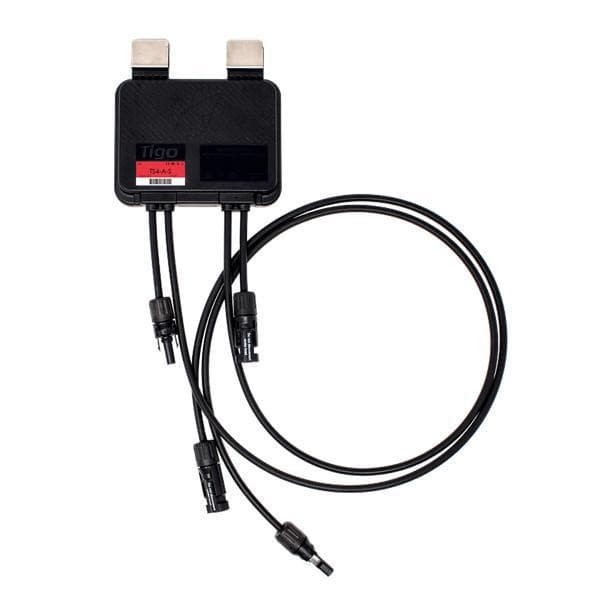
Tigo TS4-A-S | Monitoring & Rapid Shutdown
Tigo

Tigo TS4-A-S | Monitoring & Rapid Shutdown

The TS4-A-S is the monitoring TS4. Same hardware footprint as the F and O (one device per module, MC4 in and out, snaps to the frame), but the feature set sits between them: rapid shutdown plus per-module monitoring, no DC optimization. On a clean, unshaded roof an optimizer's gains are small. What you give up there is module-level visibility. That's what the TS4-A-S adds without the optimizer cost. Once a TAP and Cloud Connect Advanced are in place, you get module-level voltage, current, and temperature streaming to Tigo's monitoring platform. Spot a weak module before it costs you a season, and have the data to back a warranty claim. UL PVRSS certified, NEC 690.12 compliant, talks to compatible inverters over PLC. 25-year warranty matches the rest of the TS4 family.

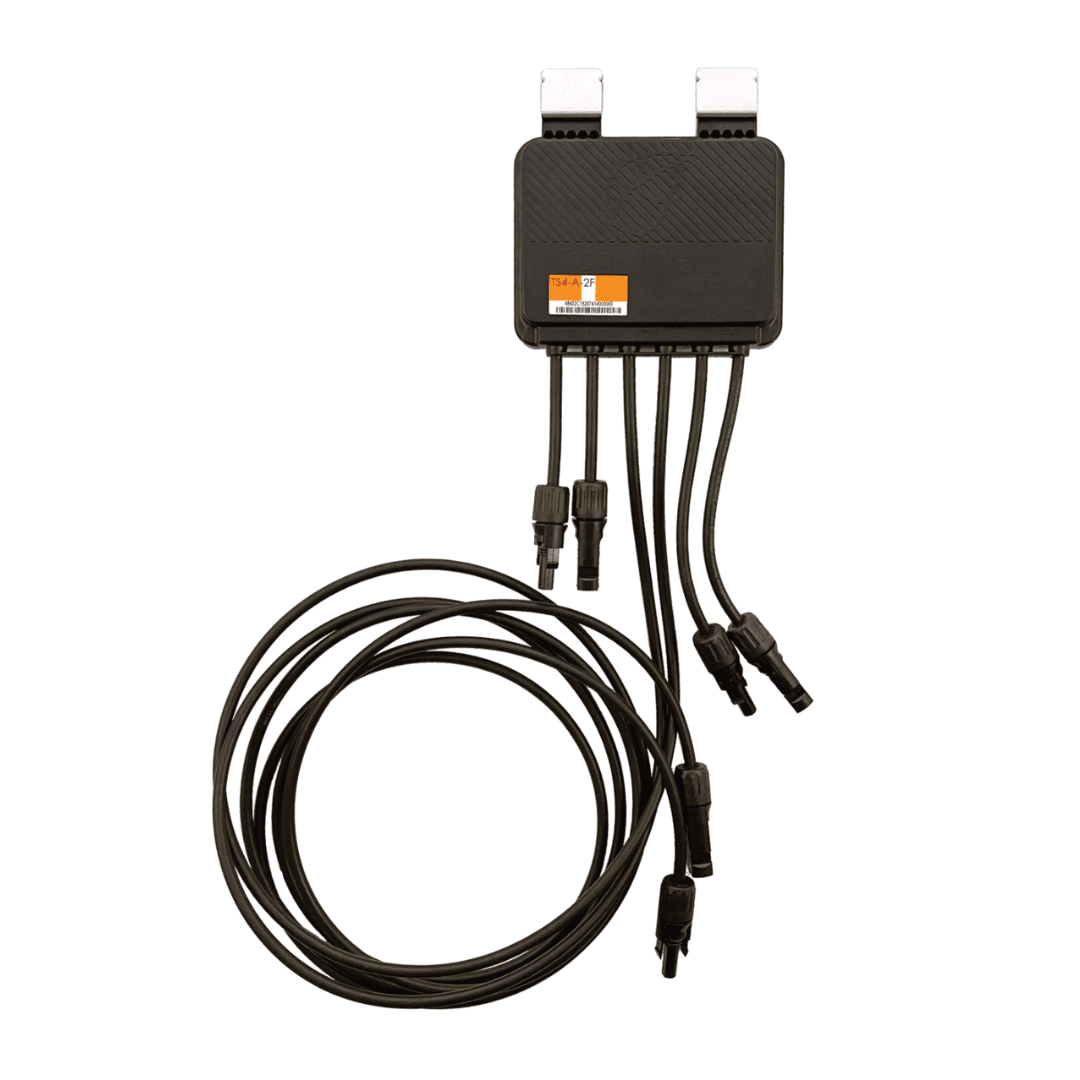
Tigo TS4-A-F | Rapid Shutdown
Tigo

Tigo TS4-A-F | Rapid Shutdown

The TS4-A-F is the rapid shutdown side of Tigo's TS4 lineup. One device per module, behind the panel, MC4 in and MC4 out. When the inverter or the Tigo RSS Transmitter stops sending its keep-alive signal, every TS4-A-F drops its module's output, which is what NEC 690.12 wants you to be able to do from a single point on the roof. Pure fire safety. No monitoring, no optimization. That keeps the per-module cost down on a build where rapid shutdown is the only MLPE feature you need. The device handles up to 725W modules at 12 to 80V and up to 22A, so it covers the high-current bifacial panels common today. UL and IEC certified for global acceptance. UL PVRSS listed against hundreds of inverter models, so for most modern hybrid and string inverters this is a drop-in. EG4's FlexBOSS, GridBOSS, 18kPV, and 12kPV families have integrated RSS that talks to the TS4-A-F over PLC, no separate transmitter needed. If your inverter doesn't carry RSS internally, pair the TS4-A-F with the Tigo RSS Transmitter on the DC side. 25-year warranty matches the panel above it. Snaps to the module frame with no ground wire required.

Breakers

AC, DC, and main breakers.

Breakers for the array and the battery side, plus the main breaker for the service panel.

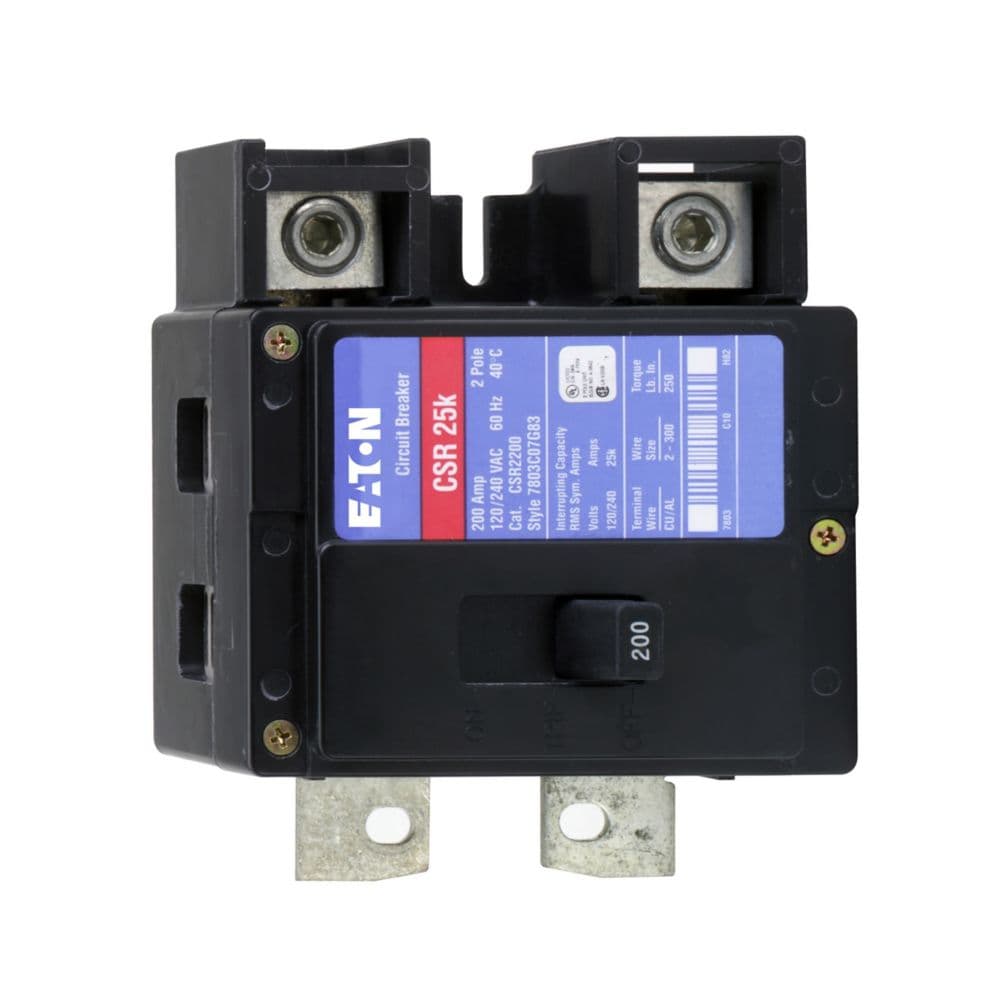
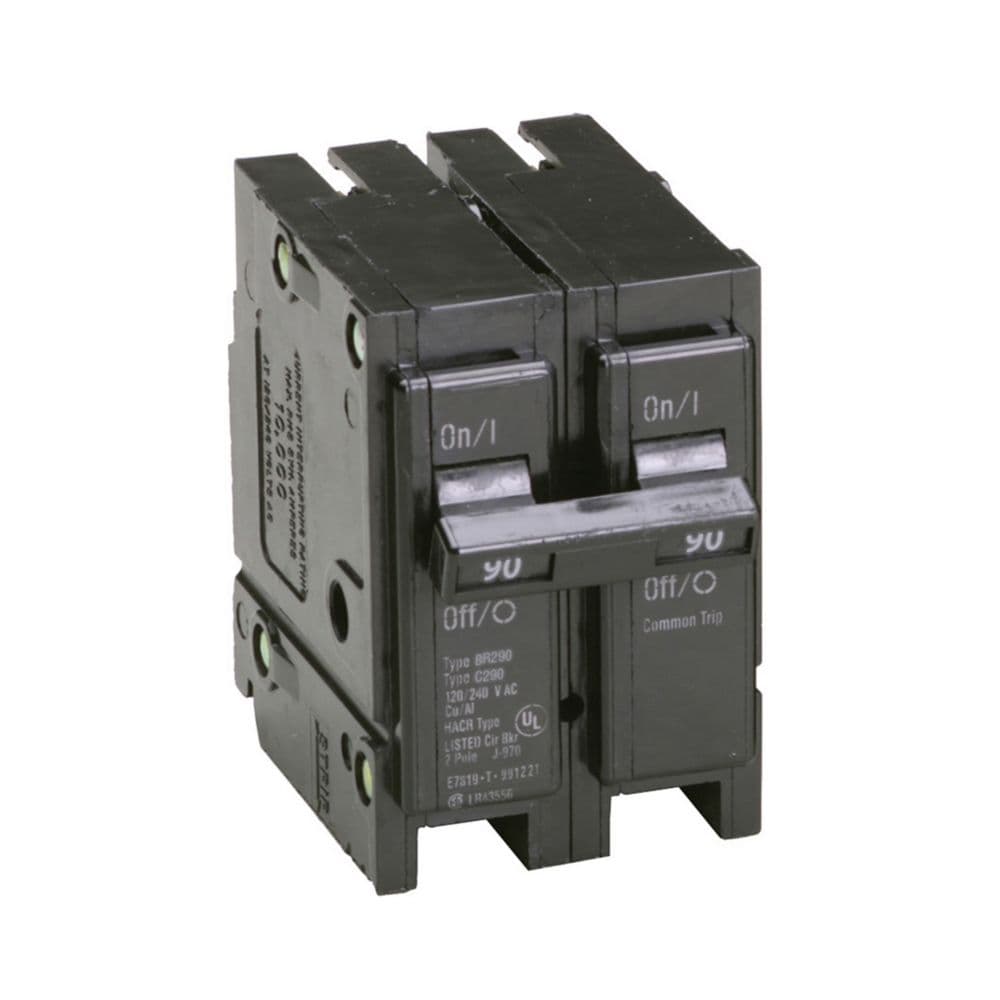
90A Breaker

90A Breaker

90A Eaton circuit breaker. Used in solar system AC subpanels or main lugs where the design current calls for a 90A rating. Confirm your panel takes Eaton-format breakers before ordering.

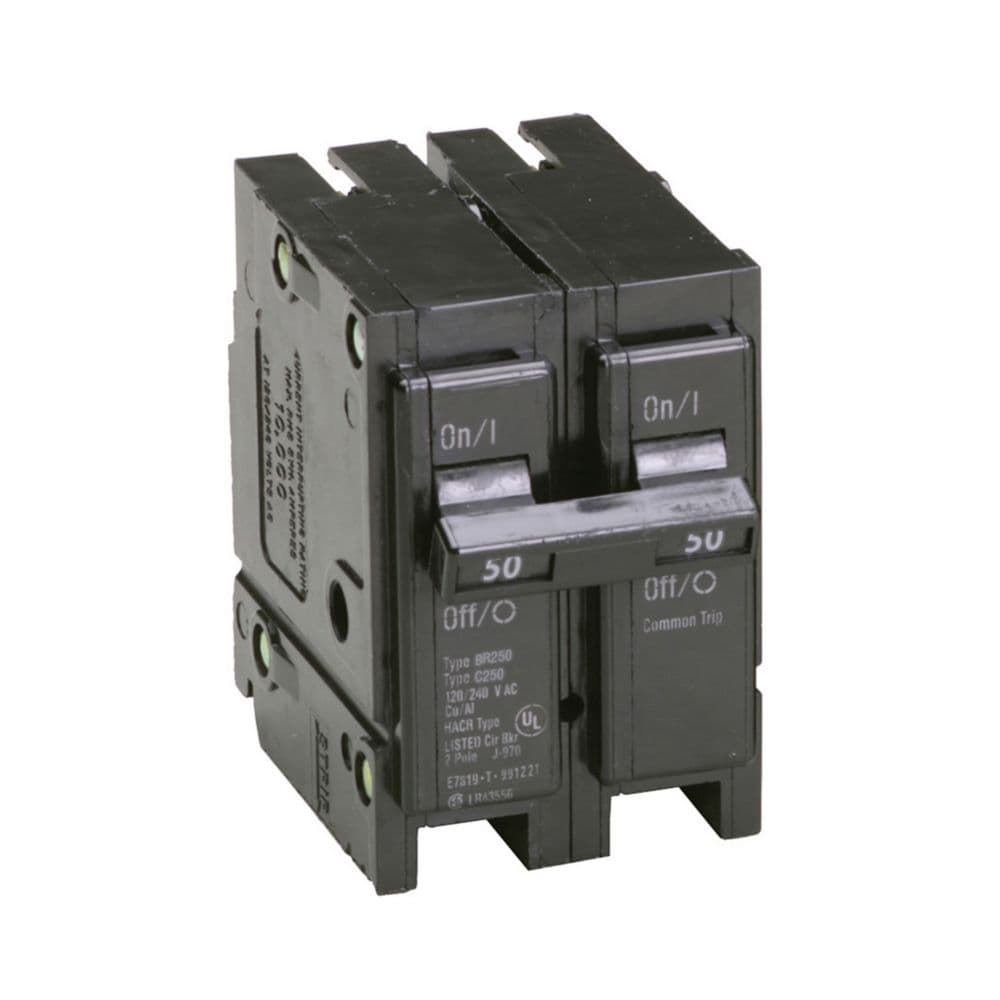
50A Breaker

50A Breaker

A 50A AC circuit breaker sized for the EG4 12kPV inverter's AC backup output. Drops into a standard 240V load-center slot. UL listed for residential AC service. Use this when wiring the 12kPV's backup output to a sub-panel and you need a code-correct breaker between the inverter and the panel.

Disconnects & surge protection

Cut the power, clamp the spikes.

DC disconnects to isolate the array for service, and surge arrestors that protect the system from lightning and grid transients.

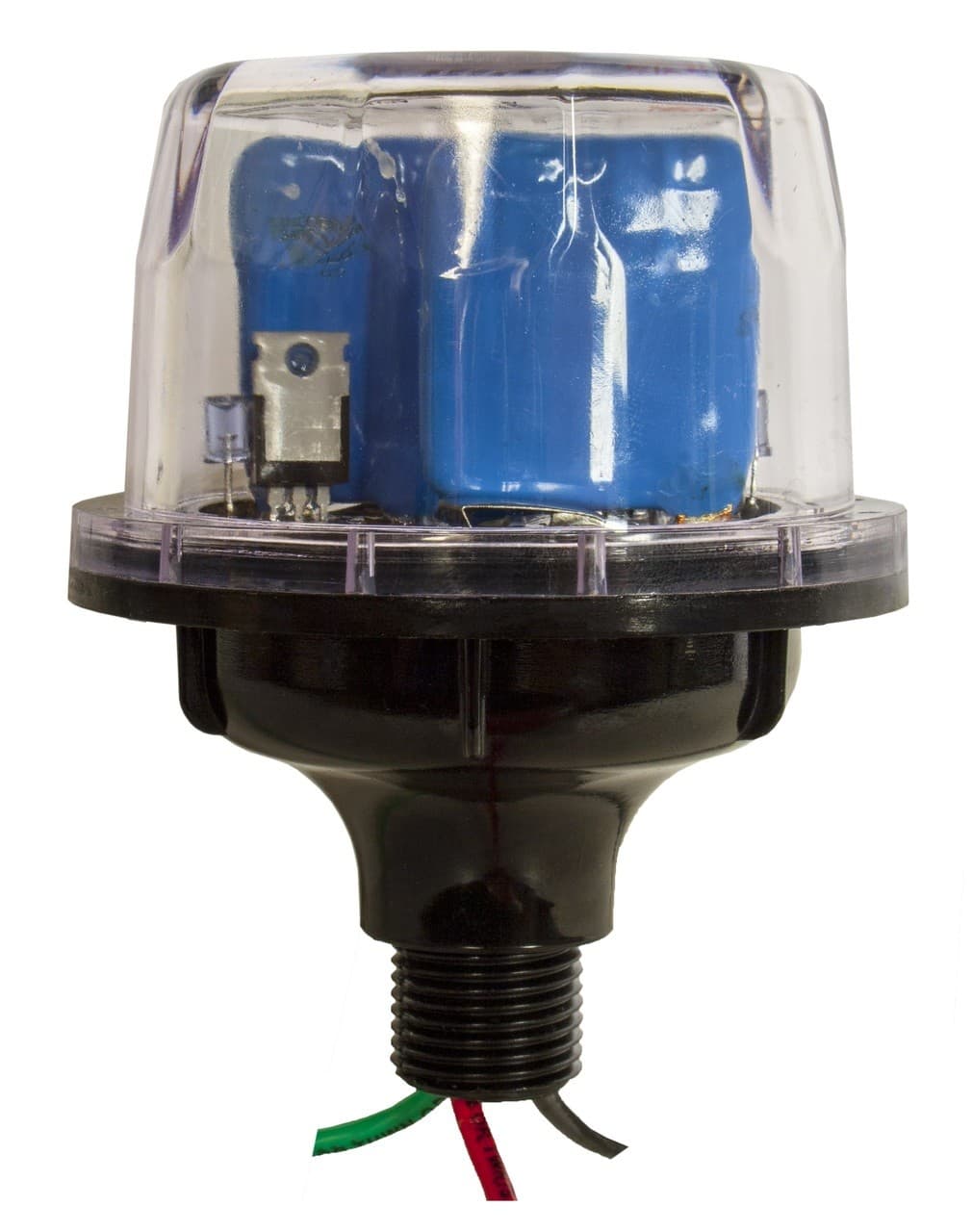
Lightning and Surge Arrestor | 300 AC

Lightning and Surge Arrestor | 300 AC

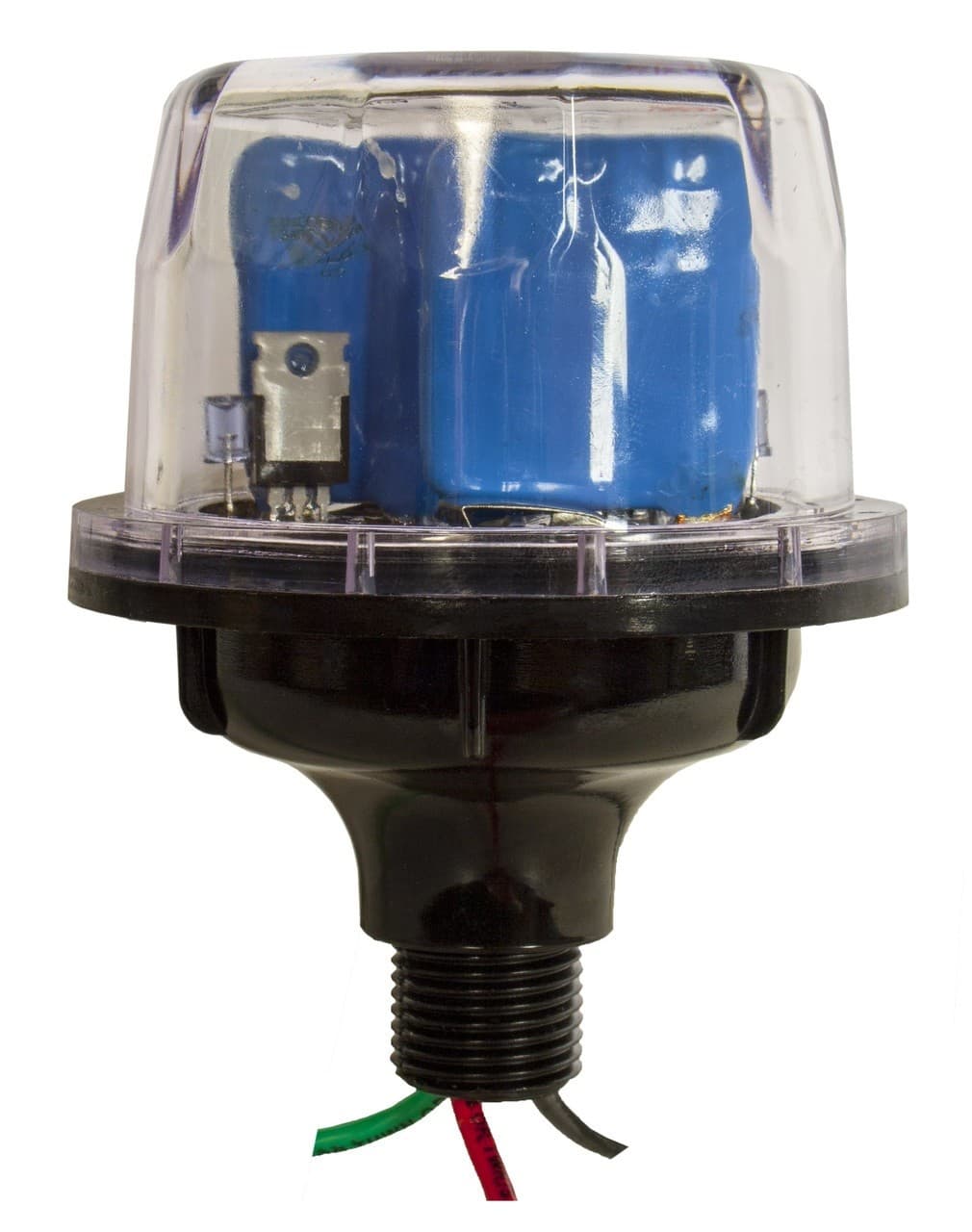
300V AC Surge Protective Device. Wires into the AC side of your system (typically at the AC combiner or the main service panel) and shunts voltage spikes from lightning, utility grid disturbances, or large motor starts to ground before they reach your inverter, battery, or sensitive loads. Solar systems are surge magnets because they tie a grounded metal roof full of exposed conductors to the rest of the electrical system. An SPD is cheap insurance against a roof-strike incident that would otherwise wreck the inverter and the BMS. Type 2 SPD with a modular cartridge, so you swap the cartridge if it fires instead of replacing the whole unit.

Lightning and Surge Arrestor | 600 DC

Lightning and Surge Arrestor | 600 DC

600V DC Surge Protective Device. Wires into the DC side of your PV system (typically at the combiner box or the inverter DC input) and shunts voltage spikes to ground before they damage the inverter, charge controller, or string optimizers. The DC side of a roof array is the most exposed surface for lightning-induced surges. An SPD is cheap insurance for the most expensive components in the stack. Type 2 SPD with a modular cartridge design.

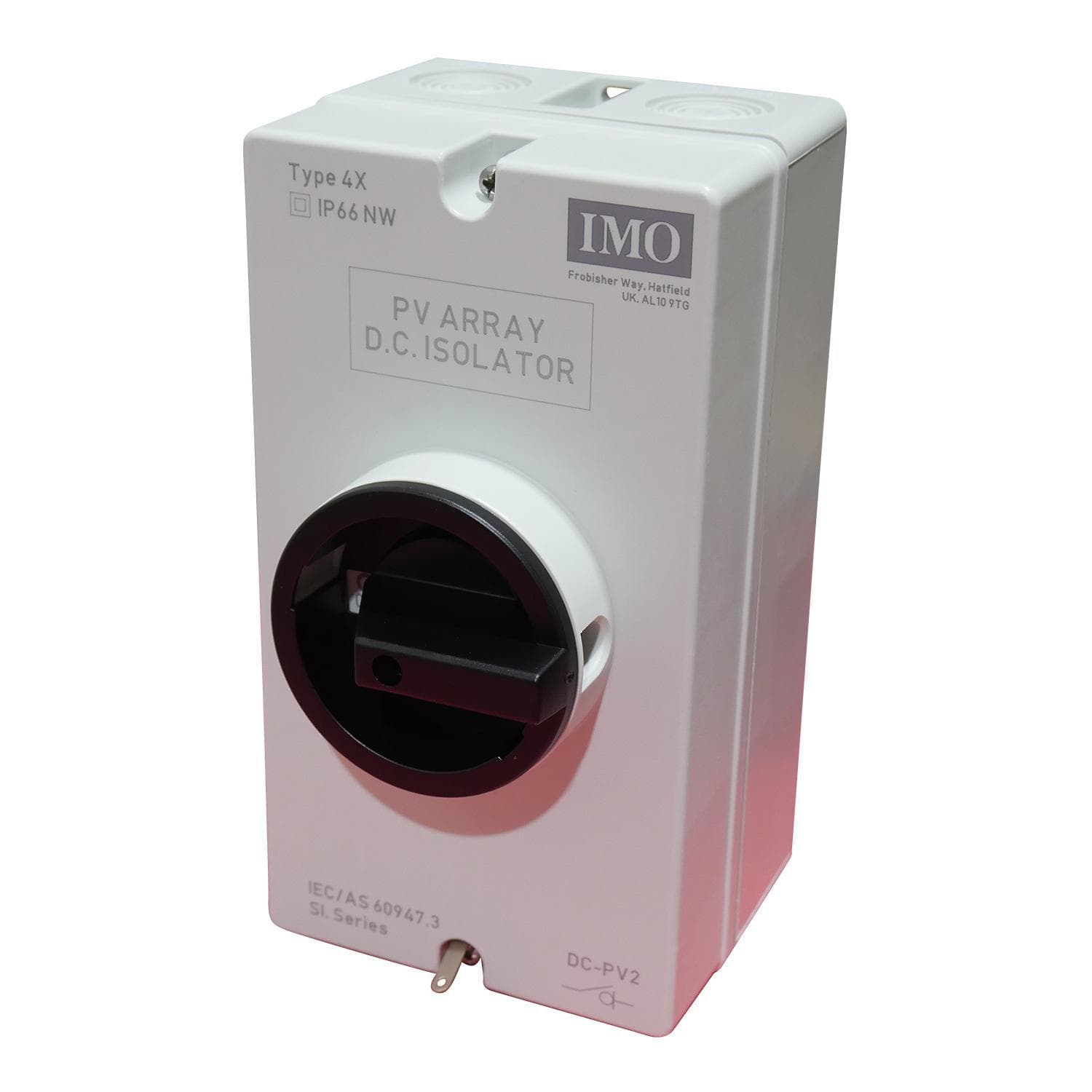
IMO DC Disconnect Isolator Switch

IMO DC Disconnect Isolator Switch

A DC disconnect / isolator switch for use between the PV array (or combiner) and the inverter. Lets you de-energize the DC side of the system for service or inspection without working hot wires. Required by NEC on most permitted PV installs as part of the DC disconnect requirement. Lockable handle for lock-out / tag-out during service. 600V DC rated.

Not sure what your code requires?

Rapid shutdown and disconnect rules change by jurisdiction. The builder flags what your install needs.

Build a System →