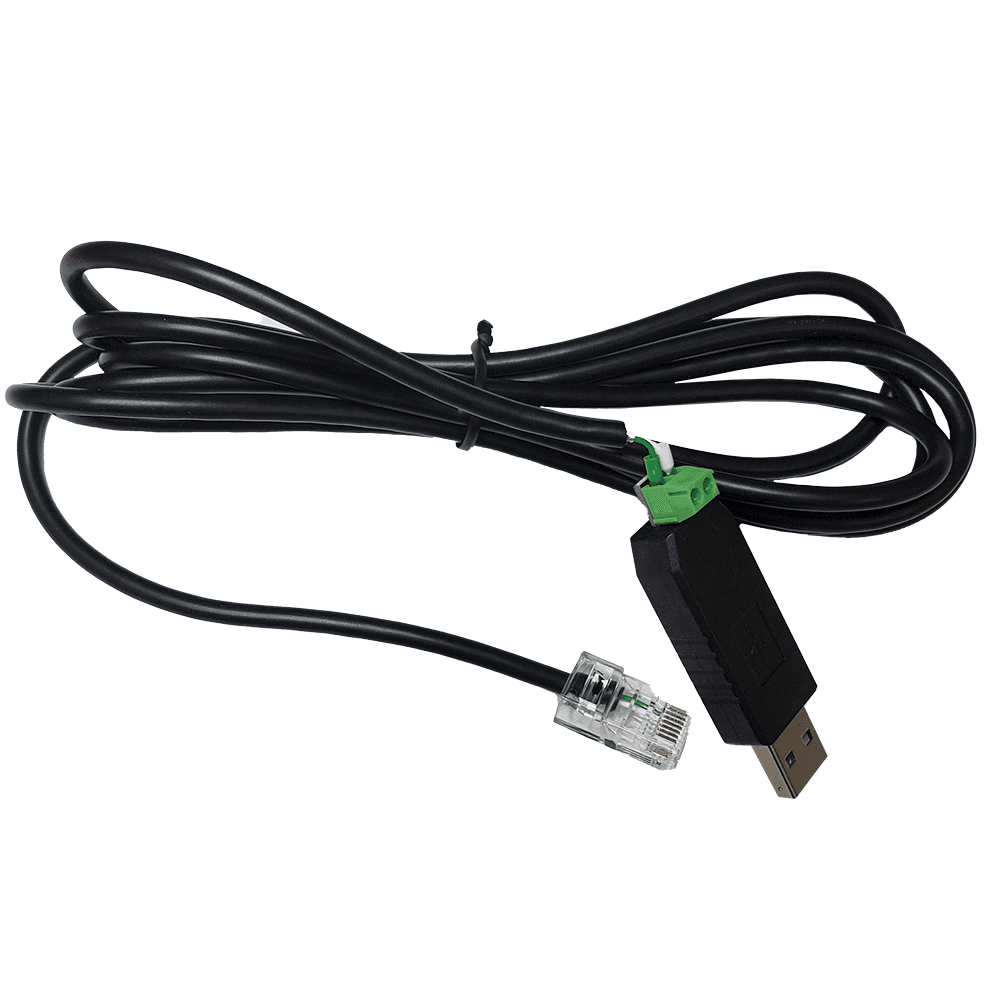
EG4 RS485 USB Read/Write Cable (LP4 & LL)
This is EG4's read/write cable, the one that lets a laptop talk to your EG4 battery. USB-A plugs into the computer, the RJ45 end plugs into the battery's communication port, and EG4's free BMS Tools software does the rest. It works with the LifePower4 V2, the LL and LL-S packs, and the WallMount indoor 280Ah and all-weather batteries. Over RS485 it reads the pack live, so you can see state of charge, every cell voltage, current, temperature, and any active alarms.
Order-in: ships from our supplier, usually about a week.
5.036 Google reviews- Brand
- EG4 Electronics
- Model
- EG4SPRS485RWCLPLL
- Function
- PC read/write and live monitoring via EG4 BMS Tools software
- Monitors
- State of charge, individual cell voltages, current, temperature, alarm status
- Interface
- RS485
- Connection
- USB-A to RJ45
About this item
This is EG4's read/write cable, the one that lets a laptop talk to your EG4 battery. USB-A plugs into the computer, the RJ45 end plugs into the battery's communication port, and EG4's free BMS Tools software does the rest. It works with the LifePower4 V2, the LL and LL-S packs, and the WallMount indoor 280Ah and all-weather batteries. Over RS485 it reads the pack live, so you can see state of charge, every cell voltage, current, temperature, and any active alarms.
The reason to keep one in the truck is simple. When a pack is acting up, or you just want to confirm it is healthy before an install, this cable is how you look inside the BMS instead of guessing. One thing to know: a battery cannot talk to the PC while it is still wired to an inverter for closed-loop communication, so disconnect the inverter communication cable first, then plug this in and read away.
More Accessories
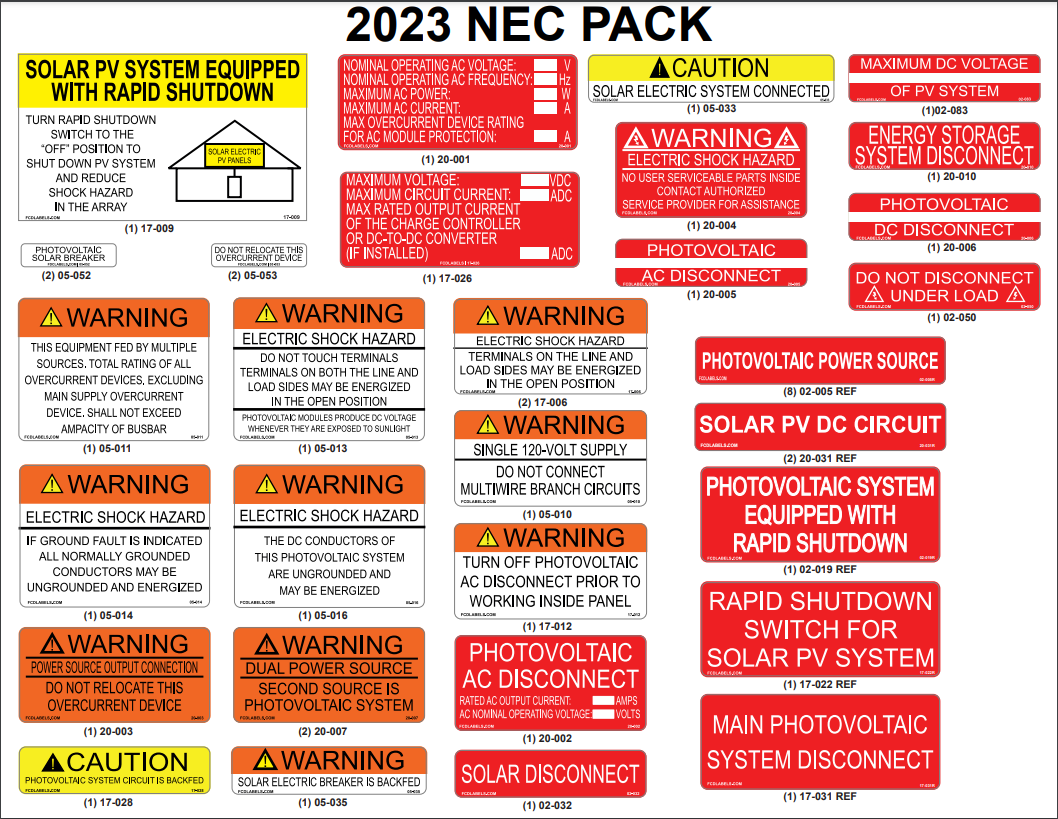
2023 NEC Sticker Pack
This sticker pack covers the labels and placards a solar install needs to pass inspection under the 2023 NEC. It includes the rapid shutdown placards, disconnect and inverter markings, conduit labels, and the power source directory, all printed on durable weather-rated stock that meets the code’s permanence rules. One pack handles the common warning and identification points on a typical residential system.
$20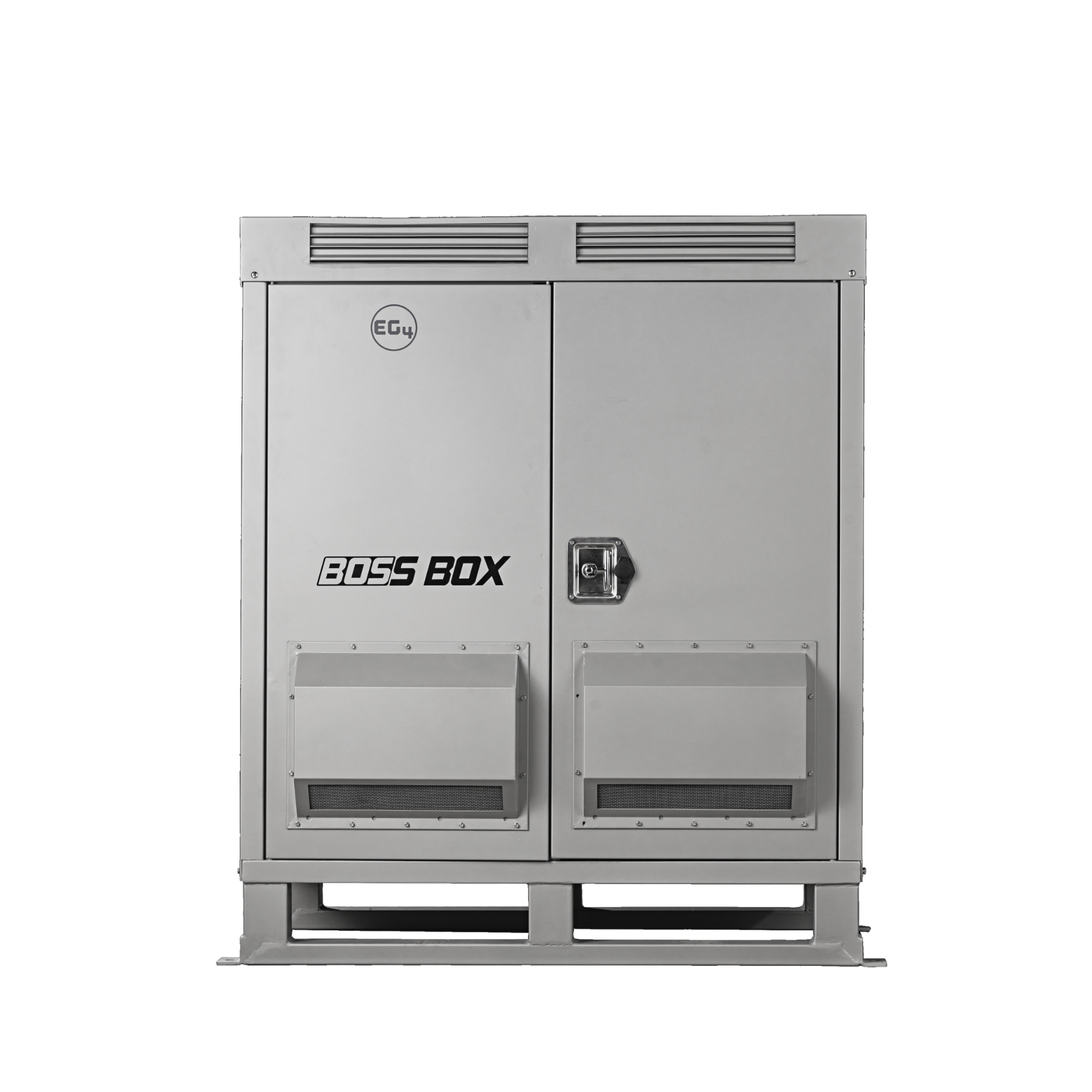
BOSS Box
The EG4 BOSSBox is a freestanding outdoor cabinet that houses your EG4 batteries and hybrid inverters in one weatherproof package, so you skip the wall mounting and the extra labor. The NEMA 3R steel enclosure holds up to three WallMount batteries and two hybrid inverters, and it cools through passive vents with no fans to fail. A clean way to set up whole-home backup or off-grid storage.
$2,899.99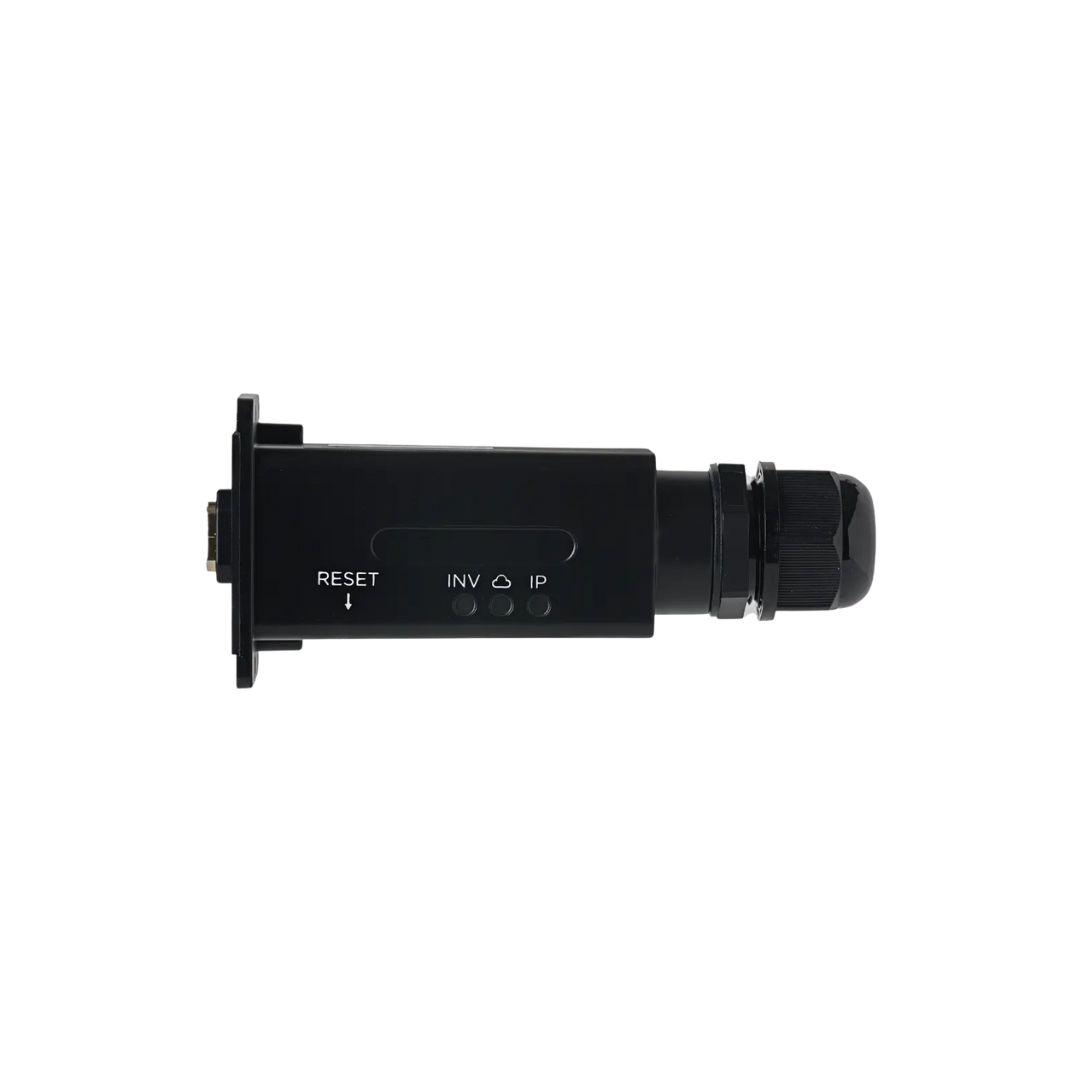
EG4 Ethernet Adapter
This is EG4's wired monitoring adapter (part EG4SP18KDLETH), the small box that carries your inverter's data to the EG4 app over a network cable instead of WiFi. It plugs into the inverter's monitoring port, and a standard RJ45 Ethernet line runs from the cable gland on its body back to your router. Three status lights sit on the face so you can read the connection at a glance: INV for the link to the inverter, a cloud light for the reach out to the EG4 portal, and IP for its network address. There is a reset button, and the unit mounts to the inverter with its built-in faceplate. It works across the EG4 inverter line, the 3k Off-Grid being the exception. The reason to run this over the WiFi dongle is that a cable does not drop. If the inverter lives in a garage, a shop, or a back corner where the WiFi is thin, a wireless adapter that keeps falling offline leaves gaps in your history and an app that shows nothing right when you want a look. Wire it straight to the router and the link stays up, so the numbers keep coming in. If there is a network jack anywhere near the inverter, this is the steadier way to keep eyes on the system.
$33