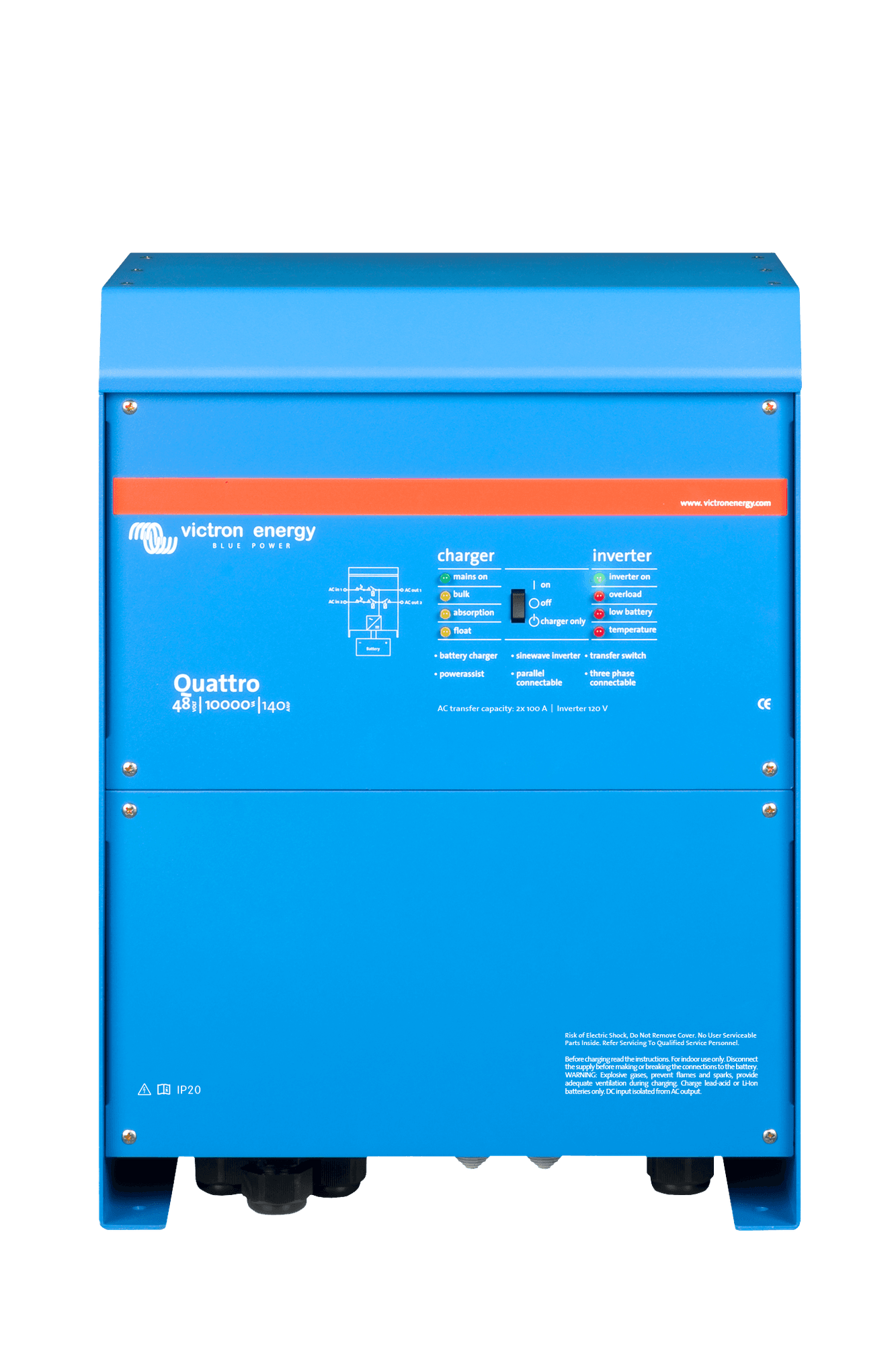
Victron Quattro 48/10000 VE.Bus (UL1741)
The Quattro 48/10000 is the 10000VA / ~8000W continuous size of Victron's two-input inverter/charger, with VE.Bus comms and UL1741 listing for US grid-tied applications.
- Comms
- VE.Bus, 2x general-purpose port, remote on/off
- Safety
- UL 1741, EN-IEC 60335 / 62109
- Weight
- 128 lb (58 kg)
- Enclosure
- Aluminium, IP21
- Dimensions
- 22.6 x 19.2 x 13.6 in
- Peak power
- 20,000 W
About this inverter
The Quattro 48/10000 is the 10000VA / ~8000W continuous size of Victron's two-input inverter/charger, with VE.Bus comms and UL1741 listing for US grid-tied applications.
The 10000VA size handles whole-home loads on most US residential builds and runs well-pumps, central AC, and electric resistance elements without leaning on the second AC input. Wire grid into AC In 1, generator into AC In 2, and the Quattro switches between them based on whichever is live and prioritized.
UL1741 listing means it passes an AHJ review on a permitted grid-tied install. VE.Bus comms tie it to a Cerbo GX, the SmartSolar charge controllers, and the rest of the Victron stack. Five-year warranty. Up to six can be paralleled into a three-phase configuration on bigger projects.
More Inverters
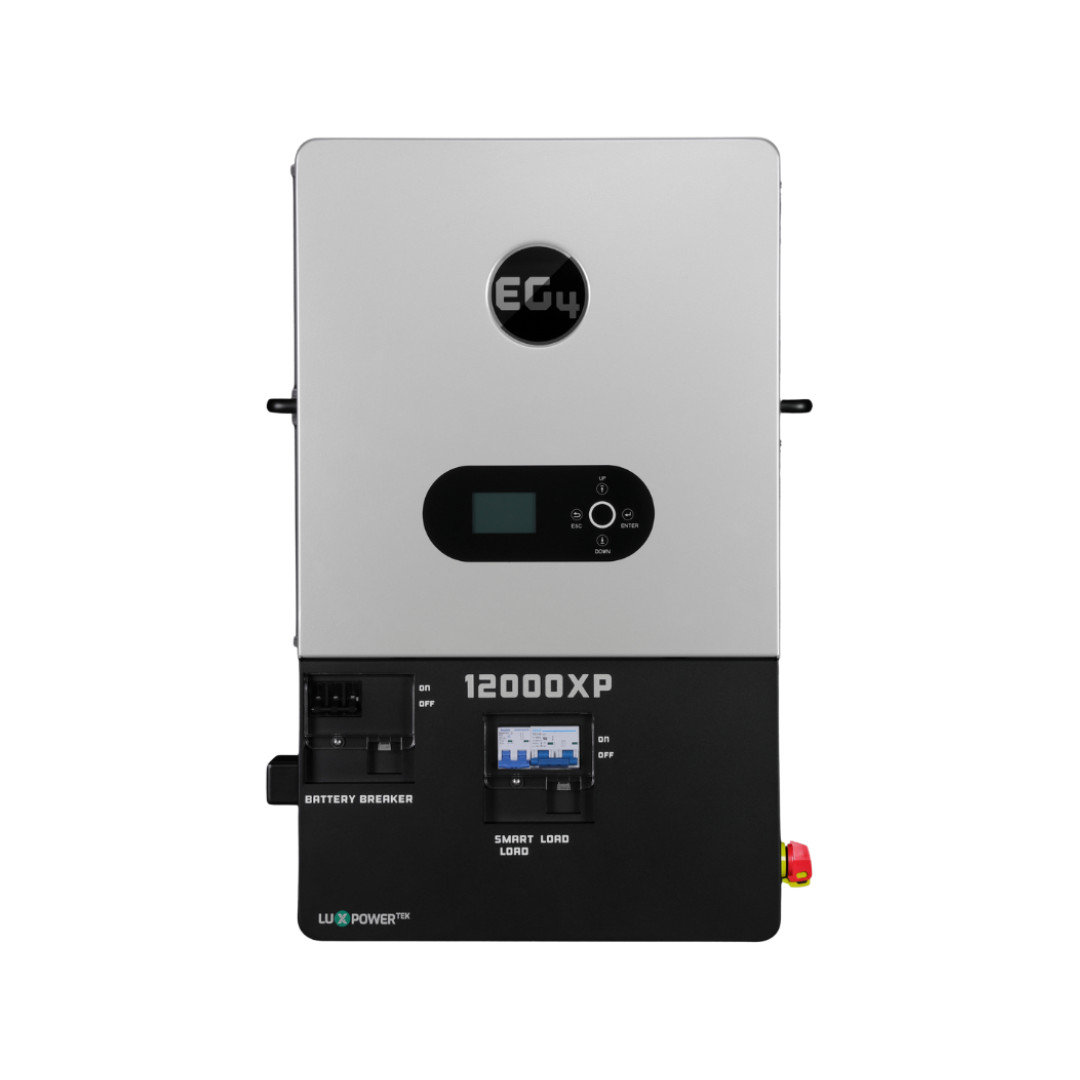
12000XP V2
A 12,000W off-grid inverter, and up to 15,000W with solar on the build, made for systems that live off the battery. Up to 500V of PV across two MPPTs, 48V battery, split-phase 120/240V output. The workhorse for cabins and homesteads with no grid tie.
$2,589.29$2,400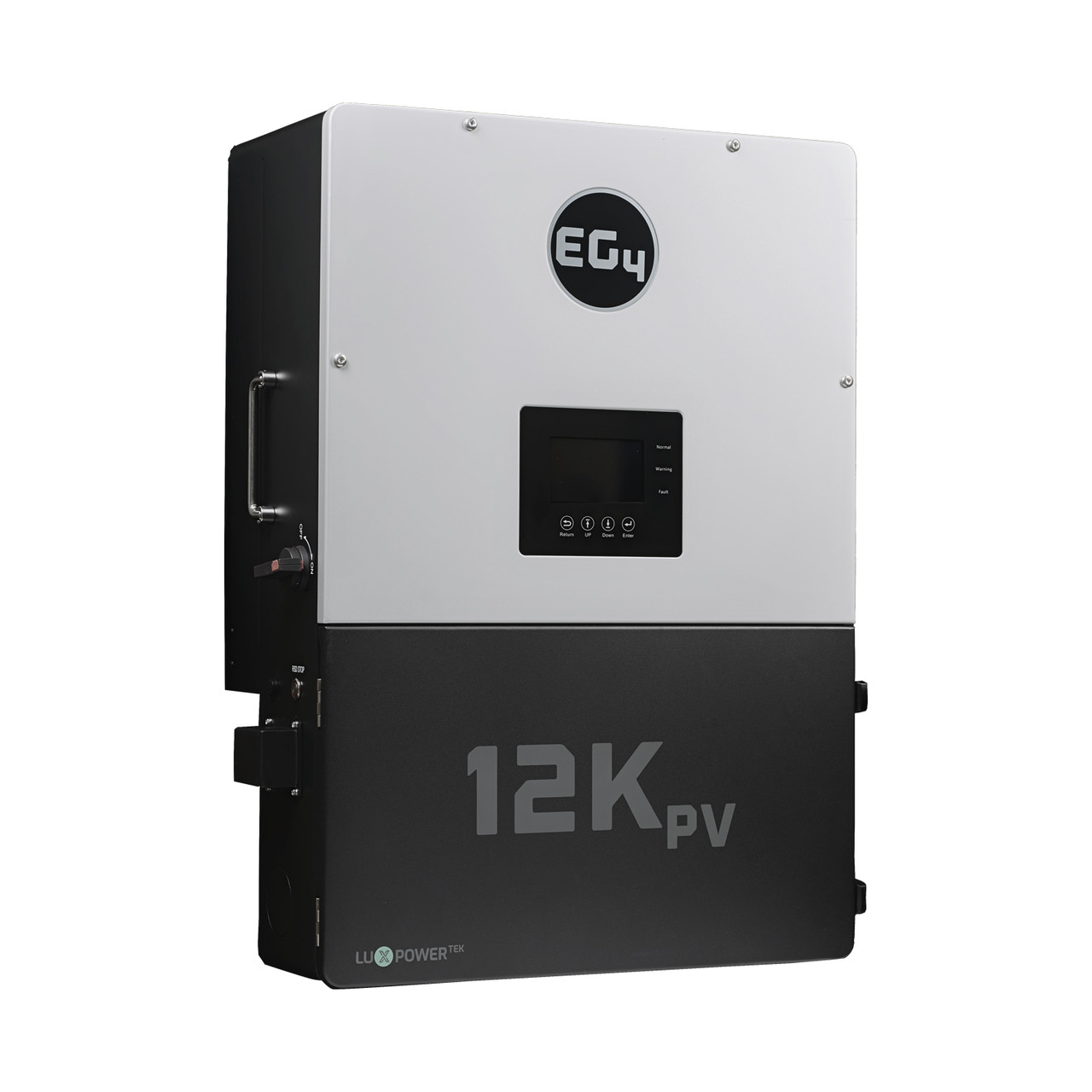
12kPV Hybrid Inverter
The 18kPV's little brother, and the right size for a home that wants backup without the whole-farm build. It puts out 8,000W continuous, takes up to 12,000W of solar across two MPPTs, and moves between grid-tied, off-grid, and battery backup on its own. Split-phase 120/240V, 48V battery, UL1741 listed, rapid shutdown built in. Room to over-panel to a 15,000W array, and it parallels up to ten units when you outgrow one.
$4,048.99$2,999.99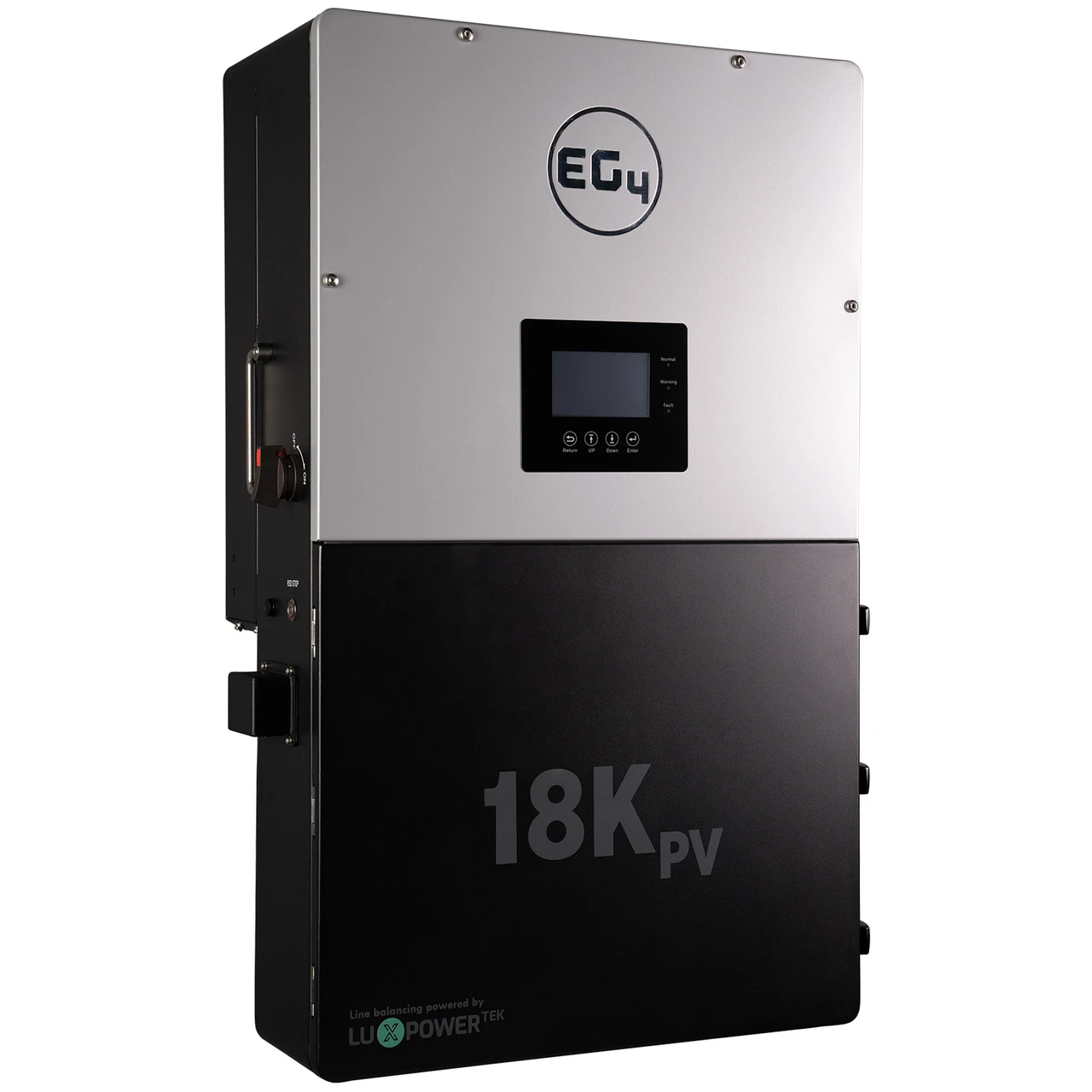
18kPV Hybrid Inverter
EG4's flagship hybrid, and the inverter most of our whole-home builds start from. It runs 12,000W continuous, takes up to 18,000W of solar across three MPPTs, and switches between off-grid, grid-tied, and battery backup on its own. Split-phase 120/240V, 48V battery, UL1741 listed. Room to over-panel to a 21,000W array, and you can stack up to ten in parallel.
$3,999.99