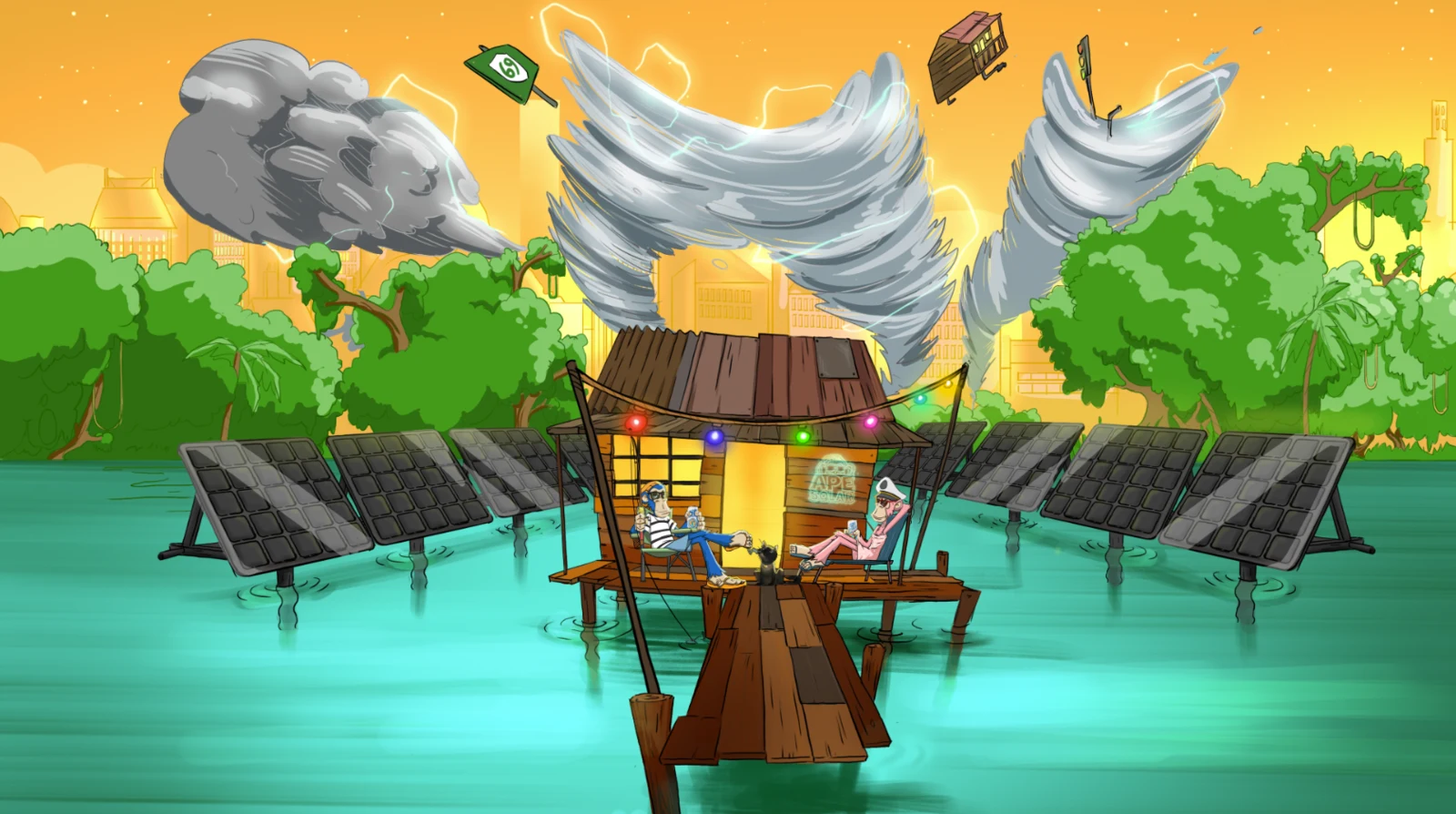
NOAA published the 2026 Atlantic outlook this week. They called it below normal. A 55% chance of fewer storms than average, 8 to 14 names on the list, and 1 to 3 of those forecast to hit major hurricane strength.
Every year NOAA says "below normal" is the year I get more calls in October than in June. People hear those two words and put the shutters back in the shed.
Here is the part the forecast does not tell you. The basin can deliver four hurricanes and still be the worst year of your life if one of them parks on top of you. Hurricane prep is a one-house problem.
Hermine in 2016. Sally in 2020. Both came in seasons people pegged as quiet by mid-May. Both put people in the dark for days. The neighbors who already had a battery on the wall ate hot food and ran their CPAP. The ones who waited until the cone hit the panhandle paid double for the last generator on the shelf.
This is why we tell every Florida customer the same thing on May 27. The season opens June 1. You have a six-day window. The list is what matters.
Here is the list we use at our own houses and at the shop.
-
Top off the batteries to 100% the last Sunday in May, then again the morning of June 1. LiFePO4 is happy sitting full. We watch ours in the EG4 app.
-
Run the inverter off-grid for 15 minutes with the fridge, a fan, and the well pump. If something trips, you do not want to learn that during a five-day outage.
-
Verify the generator is connected and the fuel is fresh. We run ours every two weeks for ten minutes. Old gas kills more generators than storms do.
-
Make a one-page "what stays on" list and tape it inside the breaker panel cover. Fridge, freezer, internet, two ceiling fans, well pump, one window AC unit, your phones. That is roughly 2 to 3kWh a day if you are careful. A 14kWh battery covers about four days of that load if the sun shows up every afternoon. Two days if it stays cloudy.
-
Charge every flashlight and headlamp now. The rechargeables we ship with our DIY kits run 14 hours on low. Eight of them are cheaper than a box of candles and a house fire.
-
Take photos of the panels, the inverter, the disconnect, the meter, and the breaker panel. If a storm damages them, the photos are how the insurance claim gets paid.
This is not the full prep guide for every house. There are bigger checklists out there. But these six items are the part most people skip, and the six items that decide whether the battery actually does its job when the lights go out.
The NOAA forecast does one useful thing for us. It gives us a calendar. Below normal, normal, above normal. Same calendar every year. June 1 to November 30. Six months. If your house is going to be ready, it is ready by the end of next week.
Charge the batteries. Test the inverter. Run the generator. Print the list. Take the photos.
If you do not have a battery yet and you live in the panhandle, there is still time to put a critical-load kit in before the season really sharpens up in August. Walk through the build at apesolar.com/build, or call the shop and we will talk it through.
Below normal is still hurricane season. Ready for Anything.